You have 0 items in your cart
Kenya Finance Act 2025
The Finance Act 2025 Kenya introduces a set of reforms designed to boost government revenue and ensure equitable taxation. From the introduction of new tax categories like the digital services tax to revisions in excise duties and the new eco levy, the changes reflect a more robust approach to taxation and fiscal policy.
Kenya’s Finance Act 2025: A Kenya’s 2025 Finance Act Overview: Strengthening Tax

Key Focus Areas:
- Widening of the tax base through new revenue streams
- Reinforcement of tax compliance Kenya frameworks
- Emphasis on digital and environmental tax systems
Learn more about Kenya’s fiscal policy on the official Kenya Revenue Authority (KRA) website.
The Finance Act 2025 encompasses various reforms aimed at enhancing government revenue streams while ensuring that taxpayers remain compliant with the new regulations. These reforms are part of broader efforts to improve tax administration in Kenya, particularly in light of the increasing demands for public services and infrastructure development.
The Act introduces several notable changes, including updates to existing tax laws and the introduction of new taxes designed to broaden the tax base. Understanding these changes is vital for staying compliant and minimizing potential liabilities.
Key Features of the Finance Act 2025
The Finance Act 2025 includes several pivotal features that underline its significance:
- New tax laws: The introduction of various tax categories, including digital services tax Kenya, targets emerging sectors that were previously untaxed.
- Excise duty changes Kenya: Adjustments in excise duties have been made to align them with inflation and consumption patterns.
- Eco levy Kenya: A new environmental levy aims to promote sustainability and address climate change concerns through fiscal measures.
These elements collectively work to enhance the efficacy of the tax system while ensuring that all citizens contribute fairly and equitably.
Implications for Taxpayers
Taxpayers need to be aware of their obligations under the new law to avoid penalties and legal issues. This includes understanding how income declaration Kenya operates under the updated framework, as well as recognizing the importance of maintaining accurate records.
Procedure for acquiring a patent in Kenya
Moreover, tax compliance is no longer optional but a necessity, given the government’s increased focus on compliance monitoring and enforcement by KRA (Kenya Revenue Authority). Citizens must adapt to these changes or face the consequences of non-compliance.
Government Revenue Increase Objectives
The overarching goal of the Finance Act 2025 is to increase government revenue to fund public initiatives and investments. By closing loopholes and enforcing stricter compliance measures, the government aims to ensure that it capitalizes on potential tax revenues, fostering economic growth and development.
Tax Compliance Under Kenya’s New Finance Act 2025: Key Requirements and Penalties
With the introduction of the Finance Act 2025, tax compliance has become more critical than ever. The Act outlines key requirements that taxpayers must adhere to, along with corresponding penalties for non-compliance. This section delves into the essential aspects of tax compliance under the new legislation.
Tax Compliance in Kenya: What You Must Know
Understanding Your Tax Obligations
Every taxpayer must:
- File tax returns on time
- Accurately declare all sources of income
- Comply with updated tax rates and categories
Reporting and Submission Deadlines
| Type of Return | Deadline |
|---|---|
| Monthly VAT Returns | 20th of the following month |
| Quarterly Income Tax | Every 3 months |
| Annual Returns | By 30th June |
Penalties for Non-Compliance with Kenya’s 2025 Finance Act
KRA has enhanced its enforcement mechanisms. Penalties now include:
- Interest on overdue taxes
- Fines for inaccurate reporting
- Legal actions including prosecution
Need help? Check out this KRA compliance support page for detailed guidance.
Data Privacy and the Kenya Finance Act 2025: Protecting Citizen Information

As the Finance Act 2025 advances tax compliance measures, it also raises important questions about data privacy and the protection of citizen information. This section explores how the Act intersects with privacy laws in Kenya and what it means for taxpayers.
The Intersection of Tax Compliance and Privacy Laws
Under the new Finance Act, the KRA gains expanded powers to access taxpayer data. However, this heightened access must align with existing privacy laws Kenya, which aim to protect sensitive personal information. The balance between effective tax collection and safeguarding individual rights is a crucial consideration.
Data Privacy and the Finance Act 2025
Taxpayer Data Protection
While the Act gives KRA more access to citizen data for enforcement, it must comply with Kenya’s Data Protection Act 2019.
What It Means for You:
- KRA must obtain a court warrant to access private data unless expressly permitted by law
- You are entitled to know how your data is stored, shared, and used
Key Privacy Considerations:
Citizens should report misuse to the Office of the Data Protection Commissioner (ODPC)
Access to sensitive data must be proportional
Data must be securely stored and not shared unlawfully
Impacts on Citizens’ Privacy
As tax systems evolve, concerns arise regarding the potential misuse of taxpayer information. The Finance Act 2025 must consider the implications for citizen privacy, ensuring that data protection measures are robust enough to build trust between the government and its citizens.
Court Warrant Rules and KRA Data Access: Balancing Tax Collection and Privacy Rights

The Finance Act 2025 also establishes specific rules concerning court warrants and KRA data access, further complicating the interplay between tax collection and privacy rights. This section outlines the parameters set forth by the Act and their implications for both the KRA and taxpayers.
Court Warrant Regulations
Under the new provisions, certain circumstances may warrant enhanced access to taxpayer data by KRA officials. This could involve:
- Obtaining court warrants to access sensitive information
- Demonstrating just cause for such requests
For taxpayers, understanding these regulations is vital in protecting their rights while still complying with tax obligations.
Balancing Interests
Achieving a balance between effective tax collection and the protection of individual liberties requires careful consideration of:
- Proportionality in accessing information
- Transparency in the processes involved
- Accountability mechanisms to prevent abuse of power
By addressing these areas, the Finance Act seeks to create a fair environment for all stakeholders involved.
Public Awareness and Education
Educating the public on their rights and responsibilities under the Finance Act is essential. Initiatives aimed at raising awareness about KRA’s powers and taxpayers’ rights are crucial in promoting informed compliance and fostering trust in the tax system.
The Finance Act 2025 Protest: Analyzing Public Concerns and Policy Implications

In response to the Finance Act 2025, there have been protests and public outcry regarding specific provisions within the Act. This section examines the concerns raised by citizens and the potential implications for policy moving forward.
Grassroots Movements and Public Sentiment
Public sentiment surrounding the Finance Bill reflects broader dissatisfaction with how tax policies are structured. Some common concerns include:
- Perceived unfairness in tax burdens
- Lack of transparency in government spending
- Insufficient public consultation prior to implementing new taxes
These sentiments can lead to grassroots movements advocating for more equitable tax policies.
Policy Implications of Protests
The protests against the Finance Act reflect a demand for accountability and responsiveness from the government. Policymakers may need to consider:
- Revisiting contentious provisions to achieve a greater consensus
- Enhancing engagement with taxpayers before enacting future regulations
- Exploring alternative funding approaches to reduce reliance on heavy taxation
Fostering an open dialogue can help bridge the divide between the government and citizens while leading to more sustainable tax policies.
Engaging Stakeholders
Engaging a wide range of stakeholders, including civil society organizations, business leaders, and consumers, can provide valuable insights into public opinion and foster collaborative solutions. Such engagement can help fine-tune existing laws and establish more effective communication pathways moving forward.
Legal Analysis of the Finance Act 2025: A Detailed Examination of Key Provisions
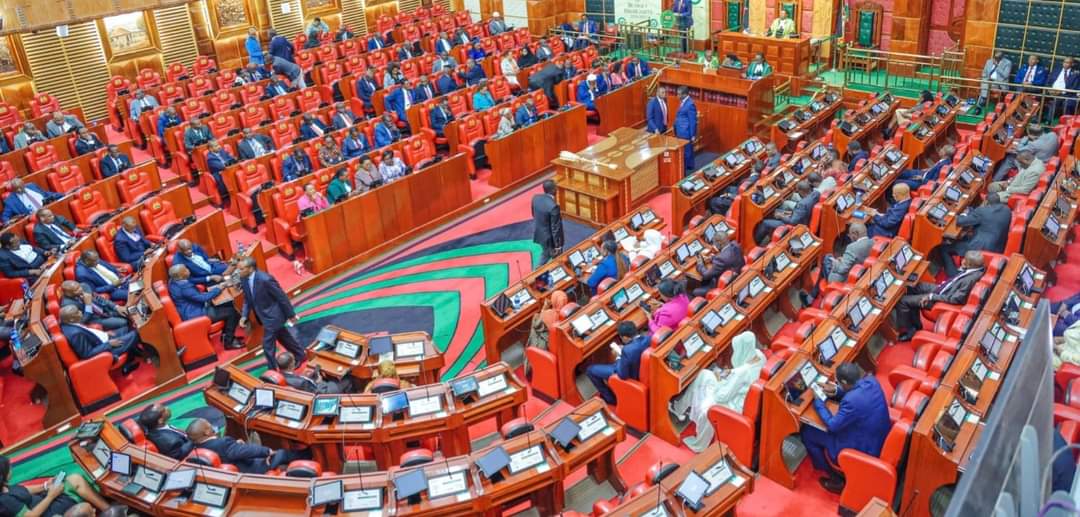
A thorough legal analysis of the Finance Act 2025 reveals intricate details underpinning its structure and impact. In this section, we delve deeper into the key provisions that define the Act.
Tax Reforms Kenya: A Legal Perspective
The Finance Act introduces several tax reforms intended to streamline tax administration. Notable provisions include:
- Expanding definitions of taxable income
- Revising exemption criteria
- Enforcing stricter penalties for non-compliance
From a legal perspective, these changes necessitate a thorough review to ensure alignment with constitutional mandates and international tax standards.
The Role of KRA in Enforcement
The KRA plays a pivotal role in enforcing provisions of the Finance Act. This includes:
- Monitoring compliance and conducting audits
- Imposing penalties where applicable
- Providing guidance to taxpayers on their obligations
Understanding the KRA’s role enables taxpayers to navigate the complexities of compliance effectively.
Future Legal Challenges
As the Finance Act is implemented, unforeseen legal challenges may arise. Potential areas of concern include:
- Constitutional challenges regarding privacy rights
- Disputes over tax assessments
- Issues related to the interpretation of new tax provisions
Anticipating these challenges can help prepare stakeholders for potential litigation and advocate for fair resolutions.
Kenya’s Tax Reforms: Assessing the Impact of the 2025 Finance Act

The passage of the Finance Act 2025 marks a significant moment for tax reforms Kenya. Evaluating the anticipated impact of these reforms on various sectors is crucial for understanding their broader implications.
Economic Growth and Development
One of the primary objectives of the Finance Act is to bolster government revenue, thereby facilitating economic growth and development initiatives. This impact can manifest in several areas:
- Increased funding for infrastructure projects
- Enhanced public services
- Greater investment in social programs
By fostering an environment conducive to growth, the Finance Act positions itself as a catalyst for progress.
Business Environment and Regulation
The new tax laws 2025 introduce regulatory changes that business owners must adapt to. This includes:
- Implementing additional compliance measures
- Adjusting pricing strategies due to newly imposed taxes
- Navigating potential cash flow challenges resulting from tax liabilities
Recognizing how these factors affect the business landscape is crucial for long-term planning and sustainability.
Addressing Informal Sector Concerns
Many informal sector players may be adversely affected by the new tax regime. The Finance Act should consider strategies to incorporate these players into the formal economy, enabling them to contribute fairly without facing undue hardships.
Navigating Tax Compliance in Kenya: A Guide for Businesses and Individuals

Tax compliance can be daunting, especially in the wake of legislative changes like the Finance Act 2025. This section provides practical guidance for individuals and businesses navigating this complex landscape.
Developing a Tax Compliance Strategy
Businesses and individuals should develop robust tax compliance strategies that encompass:
- Regularly updating tax knowledge to stay informed of new regulations
- Electing to work with tax professionals or advisors for expert support
- Utilizing technology and software to streamline tax record-keeping
By adopting a proactive approach, taxpayers can better manage their obligations and reduce the risk of errors.
Leveraging KRA Resources
The KRA offers various resources to assist taxpayers in meeting their obligations. These include:
- Educational workshops
- Online resources and guides
- Dedicated customer service channels for inquiries
Taking advantage of these resources can empower taxpayers to understand their rights and responsibilities fully.
Preparing for Audits
Given the increased emphasis on compliance, preparing for potential audits is essential. Steps to consider include:
- Maintaining organized and accurate records
- Conducting self-assessments to ensure adherence to tax obligations
- Seeking tax audit support Kenya when needed
Being well-prepared can alleviate stress and foster a smoother audit process.
Okenyo Omwansa Advocates: Insights into Kenya’s Finance Act 2025 and Legal Challenges

Okenyo Omwansa Advocates specializes in providing legal insights regarding the Finance Act 2025. This section highlights the contributions of the firm in navigating the complexities brought about by the new law.
Expert Legal Counsel
The firm offers expert legal counsel on matters pertaining to:
- Compliance with the Finance Act
- Representation in disputes arising from tax assessments
- Advising clients on best practices for maintaining compliance
By engaging with experienced advocates, taxpayers can leverage specialized knowledge to navigate challenges effectively.
Advocacy for Fair Tax Policies
Okenyo Omwansa Advocates also engages in advocacy efforts aimed at promoting fair tax policies. This includes:
- Supporting initiatives that encourage stakeholder engagement
- Participating in public forums to raise awareness about taxpayers’ rights
- Collaborating with policymakers to suggest necessary revisions to the Finance Act
Through these initiatives, the firm contributes to creating a more equitable tax landscape.
Legal Representation and Support
In the event of disputes or audits, having skilled legal representation can make a significant difference. Okenyo Omwansa Advocates provides:
- Comprehensive support during audits
- Legal representation in disputes with KRA
- Counseling on mitigating risks associated with non-compliance
Utilizing such services ensures taxpayers are equipped to handle legal challenges effectively.
The Future of Tax Law in Kenya: Predictions After the 2025 Finance Act
Looking ahead, the implementation of the Finance Act 2025 sets the stage for potential developments in Kenya’s tax law landscape. This section explores predictions for how tax law might evolve in the coming years.
Continued Focus on Compliance
One prominent trend likely to emerge is an ongoing emphasis on compliance. This includes:
- Increasing penalties for non-compliance
- Expanding KRA capabilities to monitor and enforce compliance
- Promoting education around tax obligations to empower citizens
Such measures could further solidify the importance of compliance as a cornerstone of Kenya’s tax system.
Adaptation to Global Standards
As global economic conditions evolve, Kenya’s tax system may increasingly align with international standards. This adaptation could involve:
- Reevaluating tax treaties and agreements with other countries
- Adjusting policies to accommodate cross-border transactions
- Emphasizing transparency and anti-corruption measures
By aligning with global norms, Kenya can foster confidence among investors and strengthen its position in the international market.
Innovations in Tax Administration
Innovations in technology may revolutionize tax administration and compliance. These innovations could include:
- Enhanced digital platforms for filing and payment processing
- Tools leveraging artificial intelligence to identify tax evasion
- Streamlined reporting systems to facilitate real-time monitoring
Embracing technological advancements will streamline tax processes and enhance overall compliance rates.
Video
Conclusion
Kenya’s 2025 Finance Act presents a transformative shift in tax compliance, privacy rights, and legal frameworks surrounding taxation. By understanding the new requirements, individuals and businesses can navigate the complexities of the tax system while contributing to national development efforts. As the implications of these changes unfold, ongoing dialogue and engagement will be essential in shaping the future of taxation in Kenya.
Click here to Download Your Free copy of Kenya’s 2025 Finance Act
External Resources