
You have 0 items in your cart
Outstanding debts can cripple business operations, strain relationships, and hinder financial growth. Whether you’re a creditor, lender, or service provider, understanding how debt recovery works is vital to protecting your business and ensuring stable cash flow. This guide offers an in-depth look at debt recovery strategies, legal considerations, and practical tips for managing unpaid debts.
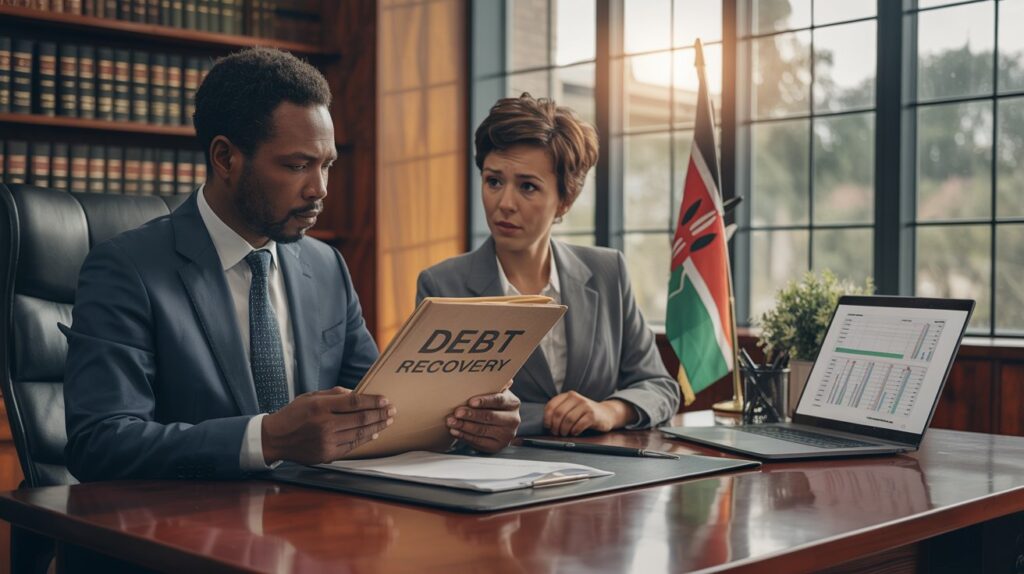
Need help recovering a debt? Speak to our debt recovery experts today.
Introduction to Debt Recovery
Definition and Overview of Debt Recovery
Debt recovery is the process of collecting unpaid amounts owed by individuals or businesses. It involves a range of steps—from issuing reminders to taking legal action—to compel debtors to honor their financial obligations.
At Okenyo Omwansa & Co. Advocates, we offer tailored solutions for individuals, SMEs, and corporations seeking to recover debts legally and efficiently.
The Importance of Effective Debt Management
Effective debt recovery ensures consistent cash flow, reduces credit risk, and strengthens your financial position. It also helps maintain healthy client relationships when handled ethically and legally.
Common Situations When Debt Recovery Becomes Necessary
- Unpaid invoices past the due date
- Breach of loan agreements
- Rent arrears or tenancy defaults
- Dishonored cheques
- Unsettled contractual obligations
In such cases, initiating a formal debt collection process becomes necessary.
The Debt Recovery Process
Initial Steps: Communication and Reminder Notices
Before taking legal action, it’s best to start with friendly reminders and written notices. Clear, professional communication often resolves disputes without escalation.
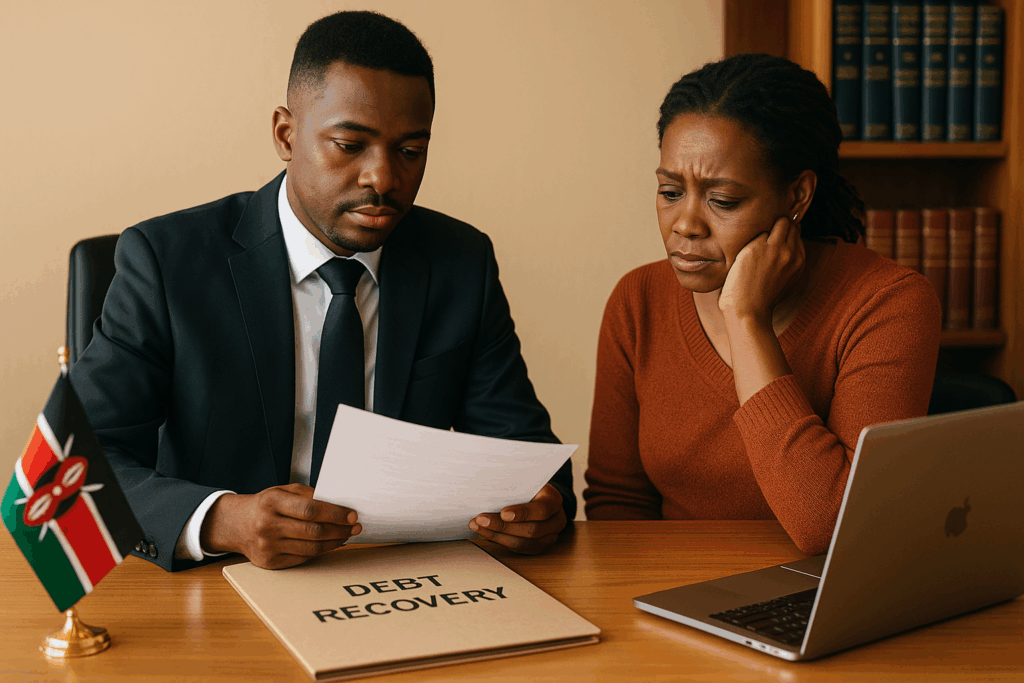
Formal Debt Collection Procedures
If reminders fail, you may issue a demand letter through your lawyer. This letter outlines the amount due, payment terms, and consequences of non-compliance.
We offer demand letter drafting and legal collection support as part of our debt recovery services.
Legal Actions and Court Involvement
When negotiations fail, the next step is to file a civil suit. This is done in the Small Claims Court, Magistrate’s Court, or High Court depending on the debt amount.
Enforcement of Judgments and Asset Seizure
Once the court issues a judgment, enforcement mechanisms include:
- Warrants of attachment
- Garnishee orders
- Auctioning assets
- Bank account freezes
We assist clients in obtaining and executing these court orders legally.
Alternative Dispute Resolution Methods
Mediation, negotiation, or arbitration may resolve disputes faster and preserve business relationships. Our firm offers alternative dispute resolution (ADR) as a strategic first option before litigation.
Types of Debt Recovery Strategies
In-House Debt Collection
This involves using internal teams to follow up with debtors. While cost-effective, it may lack legal muscle and formal authority.
Outsourcing to Professional Debt Collection Agencies
Engaging external collection firms or law firms ensures professionalism, documentation, and legal backing—especially useful when internal efforts stall.
Using Debt Purchase and Sale
Some businesses sell bad debts to third parties (factoring) at a discount. This allows for partial recovery without the stress of enforcement.
Legal and Court-Ordered Recovery
When amicable options fail, court-ordered recovery is often the most effective route. Our legal team handles full litigation and enforcement processes on your behalf.
Key Considerations in Debt Recovery
Legal Framework and Regulations
Kenya’s debt recovery is governed by various laws, including:
- The Civil Procedure Act
- The Insolvency Act
- The Small Claims Court Act
- The Auctioneers Act
Our lawyers ensure that all actions comply with the law and uphold your rights as a creditor.
Ethical Practices and Customer Relations
Debt recovery must be ethical. Harassment, threats, and intimidation are illegal. Respectful communication helps preserve your reputation and avoid legal pitfalls.
Cost-Benefit Analysis of Collection Methods
Evaluate the cost of legal action versus the amount owed. In some cases, negotiation may yield a higher return than prolonged litigation.
Risks Associated with Debt Recovery
Risks include:
- Counterclaims from debtors
- Legal delays
- Insolvency of the debtor
- Reputational damage
Let our team help you weigh your options before taking action.
Challenges Faced in Debt Recovery
Consumer Protections and Fair Debt Collection Practices
Kenyan law protects consumers from unfair collection practices. Ensure that your recovery process respects these rights to avoid penalties.
Disputes and Disagreements
Some debtors may dispute the debt or claim breach of contract. Proper documentation and contracts can protect you in court.
Navigating International Debt Collection
If the debtor resides outside Kenya, cross-border collection becomes more complex. We collaborate with international firms to handle such cases.
Impact on Business Reputation
Aggressive recovery tactics may harm your public image. Choose a professional firm that understands both legal compliance and brand protection.
Best Practices for Effective Debt Recovery
Clear Credit Policies and Terms
Avoid future issues by having well-defined credit terms and conditions in writing. Include interest rates, penalties, and timelines.
Timely Follow-Ups and Communication
Don’t wait too long to act. The earlier you initiate recovery, the higher the chances of success.
Maintaining Records and Documentation
Always keep contracts, invoices, payment receipts, emails, and any communication with the debtor. This is crucial for legal proof.
Engaging Professional Assistance When Needed
Hiring a law firm ensures that your rights are protected, your documentation is compliant, and your debt is legally enforceable.
Reach out to our debt recovery team for reliable and affordable assistance.
Ensuring Compliance with Laws and Regulations
Always ensure your process aligns with Kenyan laws and professional standards. Our lawyers provide full compliance support.

Conclusion
A comprehensive overview of debt recovery highlights its significance in maintaining financial stability for businesses and lenders. Understanding the processes, strategies, legal considerations, and best practices ensures efficient management of outstanding debts while preserving relationships and adhering to ethical standards.
Properly executed debt recovery can improve cash flow, reduce losses, and support overall business growth.